

Root Canal Treatment in Fresno, CA
If you are experiencing persistent tooth pain, sensitivity, swelling, or other signs of a dental infection, you may need root canal treatment in Fresno, CA.
At Milburn Dental, we provide personalized root canal care to treat infection or damage inside a tooth while preserving the natural tooth whenever possible. Our dental team evaluates your symptoms, examines the affected tooth, and may use dental X-rays to determine the source of the problem.
If you are looking for a root canal dentist in Fresno, CA, contact Milburn Dental to schedule an evaluation.
What Is a Root Canal?
A root canal is a dental procedure used to treat the inside of a tooth when the dental pulp becomes inflamed, infected, or significantly damaged.
The pulp contains nerves and blood vessels inside the tooth. When deep decay, trauma, cracks, or other damage affects this area, bacteria can enter the tooth and cause infection.
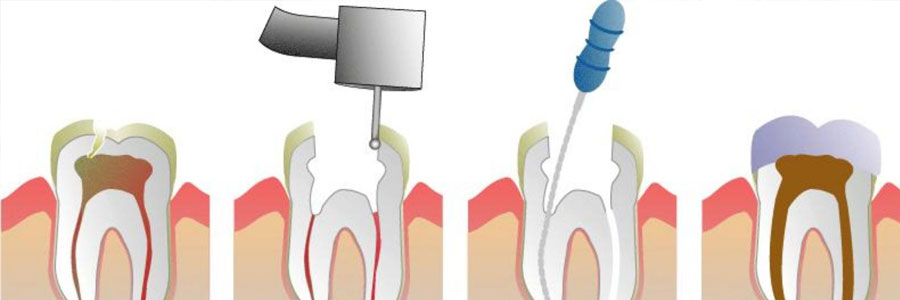
During root canal treatment, the dentist removes the affected tissue, cleans and disinfects the inside of the tooth, and seals the treated area.
A dental crown may then be recommended depending on the condition and remaining structure of the tooth.
Learn more about dental crowns and bridges in Fresno:
https://milburndental.com/dental-services/family-dentistry/crowns-and-bridges/
When Do You Need Root Canal Treatment?
A root canal may be recommended when the pulp inside a tooth has become infected or damaged and the tooth may still be restored.
Common symptoms can include:
- Persistent or severe tooth pain
- Sensitivity to hot or cold
- Pain when biting or chewing
- Prolonged sensitivity after eating or drinking
- Swelling around the tooth
- Tender or swollen gums
- A recurring pimple or drainage near the tooth
- A cracked or severely damaged tooth
- Deep tooth decay
- Tooth discoloration
- Pain that interferes with normal daily activities
Not everyone with tooth pain needs a root canal.
An examination is necessary to determine the cause of your symptoms and whether root canal treatment is appropriate.
What Causes a Tooth to Need a Root Canal?
Several dental problems can damage the pulp inside a tooth.
Deep Tooth Decay
When tooth decay progresses deep into a tooth, bacteria may reach the pulp.
Early treatment of cavities can help prevent more extensive damage.
For smaller cavities and areas of tooth damage, composite fillings may be an appropriate treatment.
Learn more:
https://milburndental.com/dental-services/family-dentistry/composite-fillings/
Cracked or Broken Teeth
A crack or fracture can allow bacteria to reach the inner portion of a tooth.
Depending on the severity and location of the damage, treatment may include a filling, crown, root canal, or extraction.
Dental Trauma
An injury to a tooth can damage the pulp even when the tooth does not appear severely broken.
If you experience dental trauma followed by pain, sensitivity, discoloration, or swelling, schedule an examination.
Repeated Dental Procedures
A tooth that has undergone significant dental treatment may sometimes develop problems involving the pulp.
Your dentist can evaluate the tooth and determine the appropriate treatment.
Root Canal vs. Tooth Extraction
When a tooth is infected or severely damaged, patients may wonder whether they should have a root canal or extraction.
When the natural tooth can be predictably restored, root canal treatment may allow you to keep the tooth rather than removing it.
Extraction removes the natural tooth and may require replacement with a dental implant, bridge, or denture.
The best option depends on:
- The amount of remaining tooth structure
- The location of the tooth
- The severity of infection or damage
- The condition of the surrounding tissues
- Your overall oral health
- Your long-term dental goals
If the tooth cannot be predictably restored, extraction may be recommended.
Learn more about oral surgery and tooth extraction in Fresno:
https://milburndental.com/dental-services/family-dentistry/oral-surgery/
Root Canal vs. Dental Filling
A dental filling and a root canal treat different levels of tooth damage.
A composite filling may be appropriate when decay or damage has affected the tooth but has not significantly damaged the pulp.
Root canal treatment may be necessary when the pulp has become infected or irreversibly damaged.
A dental examination and appropriate diagnostic imaging can help determine which treatment is appropriate.
Learn more about:
https://milburndental.com/dental-services/family-dentistry/composite-fillings/
Why Are Dental X-Rays Used Before a Root Canal?
Dental X-rays can help your dentist evaluate the tooth and the area surrounding the roots.
Depending on your symptoms, an X-ray may help identify:
- Deep decay
- Changes around the root
- Dental infection
- Bone changes
- The number and shape of roots
- Problems that may not be visible during a routine examination
Milburn Dental provides digital dental X-rays when they are clinically appropriate.
Learn more:
https://milburndental.com/dental-services/general-dentistry/x-rays/
What Happens During a Root Canal?
The exact treatment process depends on the tooth and your individual condition.
A typical root canal involves several steps.
1. Examination
Your dentist evaluates your symptoms, examines the tooth, and may take dental X-rays.
2. Numbing the Tooth
Local anesthesia is used to help make the procedure comfortable.
If you experience dental anxiety, tell your dental team before treatment so your comfort needs can be discussed.
3. Accessing the Tooth
The dentist creates access to the inside of the tooth so the affected pulp can be treated.
4. Removing Infected or Damaged Tissue
The affected pulp is carefully removed from inside the tooth.
5. Cleaning and Disinfecting
The inside of the tooth and root canal system are cleaned and disinfected.
6. Sealing the Tooth
The treated area is filled and sealed to help prevent bacteria from entering the tooth again.
7. Restoring the Tooth
Depending on the amount of remaining tooth structure, a crown or another restoration may be recommended to protect the tooth and restore normal function.
Does a Root Canal Hurt?
Many patients are concerned that root canal treatment will be painful.
Modern dental techniques and local anesthesia are used to help keep patients comfortable during treatment.
You may experience some tenderness or sensitivity after treatment as the tooth and surrounding tissues recover.
If you are particularly nervous about dental treatment, discuss your concerns with our team.
Milburn Dental also provides comfort-focused dental care for patients who experience dental anxiety.
Learn more:
https://milburndental.com/dental-services/general-dentistry/comfort-aid/
What Can Cause Tooth Pain After a Root Canal?
Some temporary tenderness can occur after root canal treatment.
However, significant, persistent, or worsening symptoms should be discussed with your dentist.
Contact the dental office if you experience concerns such as:
- Increasing pain
- Significant swelling
- A feeling that your bite is uneven
- Persistent sensitivity
- New or worsening symptoms
Your dentist can determine whether additional evaluation is needed.
Root Canal and Dental Crowns
A root canal removes infection from inside the tooth, but the tooth may still require additional protection.
Depending on the tooth’s condition, a dental crown may be recommended after root canal treatment.
A crown can help restore the tooth’s shape and function while providing additional protection to the remaining tooth structure.
Learn more about:
https://milburndental.com/dental-services/family-dentistry/crowns-and-bridges/
How Should You Care for a Tooth After a Root Canal?
Good oral hygiene remains important after root canal treatment.
Your dentist will provide specific instructions based on your treatment.
General long-term dental care includes:
- Brush your teeth regularly
- Clean between your teeth
- Attend recommended dental examinations
- Schedule professional dental cleanings
- Avoid habits that can damage teeth or restorations
- Follow instructions regarding your treated tooth
Professional cleanings are an important part of maintaining your overall oral health.
Learn more:
https://milburndental.com/dental-services/general-dentistry/routine-cleanings/
You can also learn more about maintaining good daily oral hygiene:
https://milburndental.com/dental-services/general-dentistry/oral-hygiene-education/
Can an Infected Tooth Be Treated Without a Root Canal?
Treatment depends on the cause and severity of the problem.
A minor cavity may be treated with a filling before the infection reaches the pulp.
Once the pulp becomes significantly infected or damaged, root canal treatment may be necessary if the tooth is to be preserved.
In some cases, a severely damaged tooth may not be restorable and extraction may be recommended.
That is why early dental evaluation is important when you notice persistent tooth pain or other symptoms.
Root Canal Treatment for a Dental Emergency
A severely painful or infected tooth may require urgent dental attention.
You should contact a dentist promptly if you experience:
- Severe tooth pain
- Significant swelling
- A dental abscess
- A broken tooth with severe pain
- Dental trauma
- Pain that prevents normal eating or sleeping
If you believe you have a dental emergency, learn more about our emergency dental services:
https://milburndental.com/dental-services/general-dentistry/emergency-dental-services/
Do not ignore severe dental pain or facial swelling.
If swelling affects your ability to breathe or swallow, seek emergency medical care immediately.
What Happens If You Do Not Treat an Infected Tooth?
A dental infection should not be ignored.
Without appropriate treatment, an infection can worsen and cause increasing pain, swelling, and damage to surrounding tissues.
In some situations, an untreated tooth infection may eventually result in tooth loss.
Early evaluation gives your dentist an opportunity to determine whether the tooth can be treated and preserved.
Can a Root Canal Save a Natural Tooth?
One of the major goals of root canal treatment is to preserve a natural tooth when it can be predictably restored.
Keeping a natural tooth may help maintain normal chewing function and avoid the immediate need for extraction.
However, not every tooth can be saved.
Your dentist will evaluate the condition of the tooth and discuss the available options with you.
What If a Root Canal Cannot Save the Tooth?
Sometimes a tooth is too damaged or has an unfavorable prognosis for root canal treatment.
In that situation, extraction may be recommended.
After extraction, your dentist can discuss tooth replacement options such as:
Dental Implants
Dental implants can replace missing teeth and provide a foundation for a dental restoration.
https://milburndental.com/dental-services/cosmetic-dentistry/dental-implants/
Dental Bridges
A dental bridge may replace a missing tooth using neighboring teeth for support.
https://milburndental.com/dental-services/family-dentistry/crowns-and-bridges/
Dentures
Partial or complete dentures may be appropriate depending on the number of missing teeth and your overall oral health.
https://milburndental.com/dental-services/family-dentistry/dentures-prosthesis/
Root Canal Treatment for Patients With Dental Anxiety
Dental anxiety should not prevent you from getting treatment for an infected or painful tooth.
Tell our dental team if you feel nervous about root canal treatment. We can discuss your concerns and available comfort options before treatment begins.
Milburn Dental provides comfortable dental care designed to help patients feel more relaxed during their visits.
Learn more:
https://milburndental.com/dental-services/general-dentistry/comfort-aid/
When Should You See a Root Canal Dentist?
Consider scheduling a dental evaluation if you have:
- Persistent tooth pain
- Severe sensitivity
- Pain when chewing
- Swelling around a tooth
- A cracked or broken tooth
- Deep decay
- Tooth discoloration
- Recurrent dental infection
- A previous dental injury
You do not need to wait until the pain becomes severe.
Early evaluation may help identify problems before they become more complicated.
Root Canal Treatment in Fresno, CA
Milburn Dental provides comprehensive dental care for patients in Fresno and surrounding communities.
Our team can evaluate painful, damaged, or infected teeth and explain your treatment options.
Depending on your needs, treatment may include:
- Composite fillings
- Root canal treatment
- Dental crowns
- Tooth extraction
- Dental implants
- Other restorative dental care
For comprehensive family dental services, visit:
https://milburndental.com/dental-services/family-dentistry/
Why Choose Milburn Dental for Root Canal Treatment?
Choosing a dental office for root canal treatment involves more than simply treating the source of tooth pain.
At Milburn Dental, we focus on:
- Individualized dental evaluations
- Diagnostic dental X-rays when appropriate
- Conservative treatment when the natural tooth can be preserved
- Restorative care after root canal treatment
- Patient comfort
- Dental anxiety support
- Comprehensive family dental services
Our office is located at:
6721 N Milburn Ave Ste 101
Fresno, CA 93722
Phone: (559) 825-0990
Schedule Root Canal Treatment in Fresno, CA
Persistent tooth pain, sensitivity, swelling, or dental infection should not be ignored.
Milburn Dental can evaluate your symptoms and determine whether root canal treatment, restorative care, extraction, or another dental treatment may be appropriate.
If you are searching for a root canal dentist in Fresno, CA or root canal treatment in Fresno, contact Milburn Dental to schedule an evaluation.
https://milburndental.com/contact/
Frequently Asked Questions About Root Canal
1. What is a Root Infection and How Do I Know If I Have One?
When the bottom section (below the gum) of a tooth develops a cavity, either through decay or a fracture, this gap quickly fills up with nasty bacteria. This is very bad for the health of teeth and gums and puts a great strain on surrounding tissues. If left untreated, it can cause tooth loss, bone degeneration, and gum disease.
The symptoms of a root infection can sometimes be very easy to spot and a little trickier at other times. In fact, you really do not want the symptoms to be too obvious because if they are, you likely have an abscess. This is a very painful condition and it only occurs if a dental problem has been allowed to deteriorate.
In some cases, root infections may present mild pain, but to make sure that they are spotted early, keep up with regular dentist appointments. That way, a root canal can be scheduled before any irreversible damage is done to the pulp inside the affected tooth. This will give you a very high chance of being able to keep it. On the other hand, if the infection has been allowed to fester for too long, the tooth may need to be extracted.
2. Is it expensive?
Saving your tooth through endodontic treatment is less expensive and less invasive than an extraction and replacement with a bridge or implant. The cost will depend on your dental insurance coverage. Our staff will help with getting your insurance information and let you know the cost of your root canal.
3. How long does the repaired tooth last?
Potentially, the repaired tooth lasts a lifetime! If the patient has a good oral care routine and visits the dentist twice a year for cleanings and exams, the restored tooth should have a long life.
4. What is a root canal procedure?
During root canal treatment, the tooth pulp and tooth roots are cleaned to remove microbes that cause infection, and a filling material is placed in the roots.
The procedure is performed when the tooth pulp has become infected (a condition is known as pulpitis) or when the infection has spread to the roots or jawbone.
Microbes and infected tissue are removed from the pulp and roots using special needles and chemical rinsing substances. After the tooth has been disinfected, a filling material is placed in the root canal.
5. What problems and pain can occur due to the root canal procedure?
Root canal treatment usually requires multiple relatively long visits (30-90 minutes per visit). The mouth has to be kept open during the treatment, and as a result, jaw joints and the muscles that keep the mouth open often get tired.
Local anesthesia used in dental procedures is effective in preventing root canal pain during the treatment. It may not work properly in rare cases, such as when the infection has spread widely and caused changes in the acidity of the surrounding tissue.
Sometimes, teeth become discolored and turn dark or grey following a root canal treatment. This discoloration is caused by bleeding inside the tooth or by the filling material used in the procedure. Discolored teeth can be whitened.
6. What can I do if root canal therapy doesn’t work?
At times, a root canal won’t be able to save your tooth. One of the best alternatives to root canal therapy is a tooth extraction. If our Dentist in Fresno, CA recommends this dental procedure, you will also need a tooth implant or dental bridge in order to restore full functionality of your mouth and smile.
7. Should I be worried about X-rays?
No. While x-rays will be necessary during your endodontic treatment, we use an advanced non-film computerized system called digital radiography that produces radiation levels up to 90 percent lower than those of already low dose conventional dental x-ray machinery.
8. Is there any other method to reduce my anxiety besides local anesthesia?
We are very sensitive to the fact that, no matter how well-informed you are about the procedure, you may still experience anxiety. Protecting your oral health is our top priority, and we don’t want you to forgo treatment because you’re fearful about the procedure. In that case we offer sedation options that will calm you so that you can get the treatment you need.
9. How will I feel after a root canal?
Your tooth may feel a little sensitive after the procedure, but you’ll finally be out of pain! If you’re experiencing soreness or sensitivity, you can take over-the-counter medications.
10. Will the tooth need any special care or additional treatment?
After your root canal procedure, you should be careful not to bite or chew on the treated tooth until it has recovered. We encourage all patients to practice good daily oral care that includes flossing and brushing.
2 Comments