

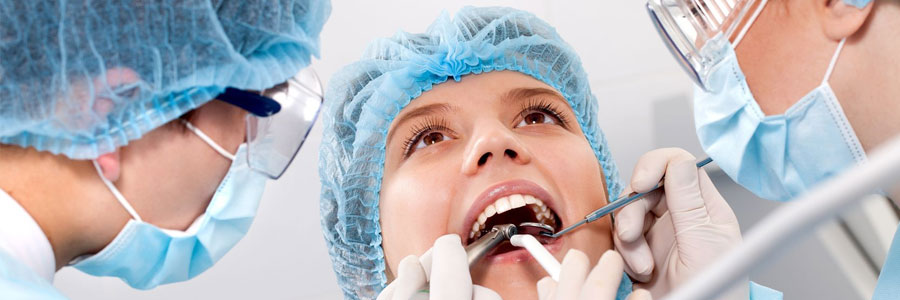
Tooth Extraction & Oral Surgery in Fresno, CA
If you need oral surgery or tooth extraction in Fresno, CA, Milburn Dental provides personalized dental care for teeth that are damaged, infected, impacted, severely decayed, or otherwise difficult to treat with routine dental procedures.
Our dental team evaluates your oral health, reviews your symptoms, and may use dental X-rays to understand the condition of the affected tooth and surrounding structures. Based on your needs, we can discuss whether extraction, restorative treatment, or another dental procedure may be appropriate.
If you are looking for oral surgery in Fresno, CA, contact Milburn Dental to schedule an evaluation.
Looking for wisdom teeth removal? Visit our wisdom teeth removal in Fresno page to learn about impacted wisdom teeth, the extraction process, and recovery.
What Is Oral Surgery?
Oral surgery includes dental procedures that involve removing, treating, or surgically accessing teeth and the surrounding oral tissues.
Depending on your condition, oral surgery may include tooth extraction, surgical extraction, treatment of an impacted tooth, or other procedures designed to address problems that cannot be treated adequately with routine dental care.
Not every damaged or painful tooth needs to be removed. During your examination, our dentist can evaluate whether the tooth may be restored or whether extraction is the more appropriate option.
Tooth Extraction in Fresno, CA
Tooth extraction is one of the most common procedures associated with oral surgery.
A dentist may recommend removing a tooth when it is severely damaged, infected, impacted, or cannot be predictably restored.
Common reasons for tooth extraction include:
- A severely broken or damaged tooth
- Extensive tooth decay
- A tooth with an infection that cannot be predictably treated
- An impacted tooth
- Dental trauma
- Severe crowding
- A tooth that cannot be restored
- Remaining tooth fragments or roots
- Certain dental conditions that require removal before additional treatment
Before an extraction, your dentist may perform an examination and dental X-rays to determine the condition and position of the tooth.
For more information about diagnostic imaging, visit our Dental X-Rays page: dental X-rays in Fresno.
Simple Extraction vs. Surgical Extraction
Not every tooth extraction is performed in the same way.
A simple extraction may be appropriate when the tooth is visible and can be removed without surgical access to the surrounding tissue.
A surgical extraction may be necessary when the tooth is difficult to access, partially erupted, impacted, broken below the gumline, or otherwise requires a more involved procedure.
The type of extraction recommended depends on the individual tooth and your overall oral health.
Your dentist can explain the recommended approach after examining the tooth and reviewing any necessary X-rays.
When Is a Tooth Extraction Needed?
Several symptoms or dental problems may indicate that an oral surgery consultation is appropriate.
You may need an evaluation if you have:
- A severely broken tooth
- A tooth that is loose because of significant damage
- Persistent pain from a damaged tooth
- A severely decayed tooth
- An impacted tooth
- Swelling around a tooth
- Recurrent infection
- A tooth that cannot be restored
- A dental injury or trauma
- A tooth that needs to be removed before replacement with another treatment
If you are experiencing severe pain, facial swelling, dental trauma, or another urgent dental problem, visit our Emergency Dental Services page for information about urgent dental care: emergency dental care in Fresno.
Oral Surgery for a Broken or Damaged Tooth
A broken tooth does not automatically mean that extraction is necessary.
Depending on the extent of the damage, your dentist may be able to restore the tooth with a filling, crown, root canal treatment, or another restorative procedure.
For example, a smaller area of damage may be treatable with a composite filling
A more extensively damaged tooth may require a dental crown to restore strength and function: dental crowns and bridges in Fresno.
If the tooth has significant damage to the pulp or nerve, root canal treatment may be considered when saving the natural tooth is possible: root canal treatment in Fresno.
When a tooth cannot be predictably restored, extraction may become the appropriate treatment option.
Oral Surgery for an Infected Tooth
A dental infection should not be ignored.
An infected tooth may cause:
- Persistent tooth pain
- Sensitivity
- Swelling
- Tenderness around the tooth
- Pain when biting or chewing
- A bad taste in the mouth
- Drainage around the tooth
- Fever or feeling unwell in more serious cases
The appropriate treatment depends on the source and severity of the infection.
When the natural tooth can be saved, root canal treatment may be an option. You can learn more here: root canal treatment in Fresno.
If the tooth cannot be restored, your dentist may recommend extraction.
If you have significant swelling, severe dental pain, facial trauma, or another urgent problem, learn more about emergency dental care in Fresno
Impacted and Difficult-to-Remove Teeth
Some teeth do not erupt normally or may become difficult to access.
An impacted tooth may remain partially or completely underneath the gum tissue or bone. Depending on its position and condition, surgical treatment may be recommended.
Your dentist may use dental X-rays to evaluate:
- The position of the tooth
- The surrounding bone
- The roots
- Nearby teeth
- The overall condition of the area
Dental imaging can help your dentist determine the appropriate treatment approach.
Learn more about our diagnostic services: dental X-rays in Fresno.
What Happens During an Oral Surgery Consultation?
Your first step is an evaluation.
During your appointment, your dentist may:
- Review your dental and medical history.
- Discuss your symptoms and concerns.
- Examine the affected tooth and surrounding tissues.
- Take or review dental X-rays when appropriate.
- Determine whether the tooth may be restored.
- Explain extraction or other treatment options.
- Discuss what you can expect before and after the procedure.
The goal is to make sure you understand your treatment options before proceeding.
Is Tooth Extraction Always Necessary?
No.
The goal of a dental evaluation is not simply to determine whether a tooth should be removed. Your dentist should first determine whether the tooth can be predictably treated and restored.
Depending on the condition of the tooth, possible treatment options may include:
- Composite fillings
- Dental crowns
- Root canal treatment
- Other restorative treatment
- Tooth extraction
For some patients, preserving the natural tooth may be possible. For others, extraction may provide a safer or more predictable solution.
A personalized examination is necessary to determine which option is appropriate.
What Can Replace a Tooth After Extraction?
If a tooth needs to be removed, replacing the missing tooth may be an important part of your long-term dental treatment plan.
Depending on your oral health and goals, options may include:
Dental Implants
Dental implants can replace missing teeth and provide a stable foundation for tooth restoration.
Learn more about dental implants in Fresno, CA
Dental Bridges
A dental bridge may be used to replace a missing tooth by connecting a restoration to neighboring teeth.
Learn more about dental crowns and bridges in Fresno.
Dentures
Patients who are missing several teeth or all teeth may be candidates for partial or complete dentures.
Learn more about dentures in Fresno.
Your dentist can discuss which tooth-replacement option may be appropriate after evaluating your oral health.
Oral Surgery and Dental Anxiety
It is normal for some patients to feel nervous about dental procedures.
If you have dental anxiety, let our dental team know before treatment. Understanding the procedure, asking questions, and discussing comfort options can help make the experience more manageable.
Milburn Dental also provides comfort-focused dental care for patients who feel nervous about dental treatment.
Learn more about dental comfort and sedation options.
What Should You Expect After Oral Surgery?
Recovery depends on the type of procedure performed and your individual circumstances.
After an extraction or other oral surgical procedure, your dentist will provide personalized post-operative instructions.
Your instructions may include guidance regarding:
- Eating and drinking
- Oral hygiene
- Physical activity
- Smoking
- Medication
- Managing discomfort
- Swelling
- Follow-up appointments
Following your dentist’s instructions is important for supporting proper healing.
Do not assume that every procedure has the same recovery timeline. Your dentist will explain what to expect based on the treatment you receive.
Eating After Tooth Extraction
Your dentist may recommend softer foods immediately after certain oral surgical procedures.
Depending on your procedure and recovery, appropriate foods may include foods that are easy to chew and do not require significant pressure around the treatment area.
Avoid foods or activities that your dentist specifically tells you to avoid during healing.
If you have questions about your diet or recovery after surgery, contact the dental office for individualized guidance.
Oral Hygiene After Oral Surgery
Maintaining appropriate oral hygiene remains important after oral surgery.
However, the surgical area may require special care while it heals. Your dentist will explain how and when to clean around the treatment area.
For long-term oral health, regular dental cleanings and good daily oral hygiene habits remain important.
Learn more about:
When Should You Contact a Dentist After Oral Surgery?
Contact your dental office if you are concerned about your recovery or notice symptoms that seem unusual or significantly worse than expected.
Urgent dental evaluation may be appropriate for symptoms such as:
- Significant or worsening swelling
- Severe or worsening pain
- Persistent bleeding
- Signs of infection
- Fever or feeling seriously unwell
- Dental trauma
- Difficulty swallowing or breathing
Difficulty breathing or significant swelling involving the face, mouth, or throat can be a medical emergency. Seek emergency medical care when appropriate.
Oral Surgery for Families in Fresno
Dental surgical needs can affect patients of different ages.
Children, teenagers, adults, and older adults may require dental extractions or other surgical treatment depending on their individual oral health.
At Milburn Dental, our goal is to evaluate each patient individually and explain the available treatment options clearly.
For comprehensive family dental care, visit: family dentistry in Fresno.
Why Choose Milburn Dental for Oral Surgery in Fresno?
Choosing the right dental office for an extraction or oral surgical procedure starts with a thorough evaluation and clear communication.
At Milburn Dental, we focus on:
- Personalized treatment planning
- Diagnostic evaluation and dental X-rays when appropriate
- Clear explanations of treatment options
- Patient comfort
- Comprehensive family dental care
- Tooth replacement options when needed
- Convenient dental care in Fresno, CA
Our office is located at:
6721 N Milburn Ave Ste 101
Fresno, CA 93722
Call Milburn Dental at (559) 825-0990 to schedule an evaluation.
Schedule an Oral Surgery Consultation in Fresno, CA
If you have a broken, damaged, infected, impacted, or severely painful tooth, do not wait until the problem becomes more difficult to treat.
Milburn Dental can evaluate your condition and explain whether tooth extraction, restorative treatment, or another dental solution may be appropriate.
If you are looking for oral surgery in Fresno, CA or need a tooth extraction in Fresno, contact Milburn Dental to schedule an appointment.
If your wisdom teeth are causing pain or have not fully erupted, learn more about wisdom teeth removal in Fresno.
Frequently Asked Questions About Oral Surgery in Fresno, CA
1. What is oral surgery?
Oral surgery includes dental procedures that involve treating or removing teeth and, when necessary, operating on the tissues surrounding them. Common procedures include tooth extractions, surgical removal of impacted teeth, and certain treatments involving the jaw or oral tissues. Your dentist will evaluate your condition and explain the procedure that may be appropriate for you.
2. When do I need oral surgery?
Oral surgery may be recommended when a tooth is severely damaged, extensively decayed, infected, impacted, or unable to be restored with other dental treatments. It may also be necessary after certain dental injuries. An examination and dental X-rays can help your dentist determine whether surgery is needed or whether another treatment could preserve the natural tooth.
3. What is the difference between a simple and a surgical tooth extraction?
A simple extraction is generally used when a tooth is visible in the mouth and can be removed without surgically accessing the surrounding tissues. A surgical extraction may be necessary when a tooth is broken at the gumline, impacted, or difficult to access. The procedure may involve making an incision or removing a small amount of bone, depending on the tooth and its position.
4. Do I need oral surgery to remove my wisdom teeth?
Not everyone needs wisdom teeth removed. Extraction may be recommended if wisdom teeth are impacted, cause pain, contribute to infection, damage neighboring teeth, or create other dental problems. Your dentist can evaluate their position and your oral health using an examination and appropriate imaging before discussing whether removal is advisable.
5. Is oral surgery painful?
Local anesthesia is commonly used to numb the treatment area and help minimize pain during oral surgery. You may feel pressure or movement during the procedure, and some soreness or swelling can occur afterward. Tell your dental team if you experience discomfort during treatment so they can assess your comfort and make adjustments when appropriate.
6. Can I receive sedation for oral surgery?
Depending on the procedure, your medical history, and the options available, sedation may be considered to help manage dental anxiety. Your dentist will review your health history, medications, allergies, and other relevant factors before determining whether sedation is appropriate. Not every patient or procedure requires sedation.
Learn more about our dental comfort aids.
7. How long does oral surgery take?
The length of an oral surgery appointment depends on the procedure, the position and condition of the tooth, and the complexity of the case. A straightforward extraction may take less time than removing an impacted tooth. Your dentist can provide an estimated appointment length after evaluating your needs.
8. How long does it take to recover from oral surgery?
Recovery varies according to the type of surgery, the extent of treatment, and your overall health. Swelling, tenderness, and mild discomfort may occur during the initial healing period. More complex procedures can require additional recovery time. Follow your dentist’s instructions and attend any recommended follow-up appointments.
9. What should I eat after oral surgery?
Choose soft foods that require minimal chewing during the initial recovery period, such as yogurt, mashed potatoes, scrambled eggs, oatmeal that has cooled, and soft pasta. Follow your dentist’s instructions about when to resume your usual diet. Avoid hard, crunchy, very hot, or sharp foods that could irritate the surgical site.
10. What should I avoid after a tooth extraction?
Follow the specific aftercare instructions provided by your dentist. Depending on your procedure, you may be advised to:
- Avoid smoking and vaping because they can interfere with healing.
- Avoid drinking through a straw, particularly during the early healing period.
- Avoid vigorous rinsing, forceful spitting, or disturbing the extraction site initially.
- Avoid strenuous physical activity for the period recommended by your dentist.
- Avoid hard or crunchy foods that may irritate the area.
These precautions help protect the blood clot that forms in the extraction socket and support healing.
11. How can I reduce swelling after oral surgery?
Some swelling is common after oral surgery. Your dentist may recommend applying a cold compress to the outside of your face during the early recovery period, following the recommended schedule. Take medications only as directed and follow your post-operative instructions. Contact your dental office if swelling becomes severe, increases unexpectedly, or is accompanied by other concerning symptoms.
12. What are the warning signs of complications after oral surgery?
Contact your dental office if you experience severe or worsening pain, persistent bleeding, increasing swelling, fever, or other symptoms that concern you. Pain that becomes worse a few days after an extraction may indicate a complication, such as dry socket, and should be evaluated. Seek emergency medical care if you have difficulty breathing or swallowing or rapidly spreading swelling.
13. Can an infected tooth be removed immediately?
It depends on the location and severity of the infection, your symptoms, and your overall health. Your dentist will evaluate the tooth and surrounding tissues to determine the safest and most appropriate treatment. Some teeth can be extracted promptly, while other situations may require additional treatment or referral. Facial swelling with difficulty breathing or swallowing requires immediate emergency medical attention.
14. Can a tooth be saved instead of extracted?
In some cases, a damaged or infected tooth can be preserved with restorative treatment or root canal therapy. Whether saving the tooth is possible depends on the extent of decay, fractures, infection, and the amount of healthy tooth structure remaining. Your dentist can explain the benefits and limitations of available options before recommending extraction.
Learn more about root canal treatment in Fresno, CA.
15. What happens after a tooth is extracted if I need a replacement?
Depending on your oral health and treatment goals, a missing tooth may be replaced with a dental implant, bridge, or denture. The appropriate option depends on factors such as bone health, neighboring teeth, the location of the missing tooth, and your budget. Your dentist can discuss replacement options and whether additional healing time is needed before treatment.
Explore our pages about dental implants, crowns and bridges, and dentures and prostheses.
16. How much does oral surgery cost in Fresno, CA?
The cost depends on the type and complexity of the procedure, the tooth’s position, diagnostic imaging, anesthesia or sedation requirements, and whether additional treatment is needed. Insurance benefits also vary. Contact Milburn Dental for an evaluation and a cost estimate based on your individual treatment plan.
17. Is oral surgery considered a dental emergency?
Some oral surgery needs are urgent, especially when severe pain, infection, trauma, or significant swelling is involved. If you have sudden or worsening dental symptoms, contact a dental office promptly for an assessment. If swelling affects breathing or swallowing, seek emergency medical care immediately.
Learn more about our emergency dental services in Fresno.
18. Where can I get oral surgery in Fresno, CA?
Milburn Dental provides oral surgery and tooth extraction evaluations in Fresno, California. Our team can examine your teeth, review appropriate imaging, explain your treatment options, and discuss what to expect before and after a procedure.
Milburn Dental
6721 N Milburn Ave, Suite 101
Fresno, CA 93722
Phone: (559) 825-0990
Visit our contact page to schedule an appointment or discuss your oral surgery needs.
4 Comments
Leave a Reply
You must be logged in to post a comment.
What insurance do you guys take ? And if so do you guys take medical/calviva
We take most of the PPO insurances. Unfortunately, we are not contracted with Calviva or Medical at this time. Please call our office at 559-825-0990 if you have any questions regarding insurance. Thanks!!
I have a broken tooth, the last one right before the wisdom tooth. Anyways i had it for about 2 years, i didnt really think anything of it till now… Abscessed tooth, ibuprofen is not working anymore, neither is Tylenol. Its at the point my throat feels like its closing, my whole gums hurt, my temple hurts, and i get ear aches…. I still smoke cigarettes like once every 1-2 hours max. What should I do????? I need home remedies before i go get it pulled out.
Sorry Kelsey for the late reply. Hope you are doing better and have already seen a dentist. If you haven’t, please do yourself a favor and call our dental office in Fresno, CA. One of our dental professionals can help determine what’s best for you. Our dental office number is: (559) 825-0990.