

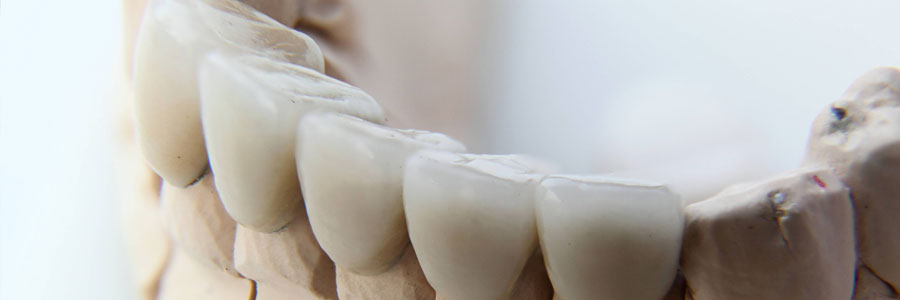
Dental Crowns and Bridges in Fresno, CA
Damaged, weakened, severely worn, or missing teeth can affect your ability to chew, speak, and smile with confidence. At Milburn Dental, we provide dental crowns and bridges in Fresno, CA to help restore damaged teeth and replace missing teeth with natural-looking, functional dental restorations.
A dental crown can protect and strengthen a tooth that has been significantly damaged, while a dental bridge can replace one or more missing teeth by filling the space with an artificial tooth supported by neighboring teeth.
The right restoration depends on the condition of your teeth and gums, the amount of healthy tooth structure remaining, your bite, and your overall oral health.
If you are in need of a dental crown or dental bridge, please give Milburn Dental Office a call at (559) 825-0990 or visit our Fresno Dental Office at 6721 N Milburn Ave Ste 101, Fresno. CA.
What Is a Dental Crown?
A dental crown is a custom-made restoration that covers the visible portion of a damaged or weakened tooth.
Crowns can help restore the tooth’s:
- Shape
- Size
- Strength
- Function
- Appearance
A crown may be recommended when a tooth has been damaged beyond what can be predictably restored with a simple filling.
Dental crowns may be used for both functional and cosmetic reasons, but their primary purpose is often to protect and restore a tooth that has significant structural damage.
When Do You Need a Dental Crown?
Your dentist may recommend a crown when a tooth is:
- Severely decayed
- Cracked or fractured
- Broken
- Significantly weakened
- Heavily restored with a large filling
- Damaged after root canal treatment
- Worn down
- In need of additional structural protection
A crown is not automatically necessary for every damaged tooth.
For a smaller cavity or limited area of damage, a composite filling may provide an appropriate and more conservative restoration.
Learn more about:
Composite Fillings in Fresno:
https://milburndental.com/dental-services/family-dentistry/composite-fillings/
Dental Crowns After Root Canal Treatment
A tooth that has undergone root canal treatment may require additional protection depending on the amount of remaining tooth structure and the location of the tooth.
In many cases, a crown may be recommended to help restore and protect a tooth after root canal treatment.
Learn more about:
Root Canal Treatment in Fresno:
https://milburndental.com/dental-services/family-dentistry/root-canal/
Your dentist can evaluate the treated tooth and determine whether a crown is appropriate.
What Is a Dental Bridge?
A dental bridge is a fixed dental restoration used to replace one or more missing teeth.
A traditional bridge generally consists of an artificial tooth, called a pontic, supported by dental crowns attached to neighboring teeth.
A bridge can help:
- Fill a gap caused by missing teeth
- Restore chewing function
- Improve the appearance of your smile
- Support a more balanced bite
- Reduce the tendency of surrounding teeth to shift into the open space
Not every patient is a candidate for every type of bridge. Your dentist will evaluate the condition of the neighboring teeth, gums, bite, and overall oral health before recommending a bridge.
When Might You Need a Dental Bridge?
A dental bridge may be considered when you are missing one or more teeth and have healthy teeth or other structures capable of supporting the restoration.
A bridge may be an option when:
- One or more teeth are missing
- Neighboring teeth can support the restoration
- You want a fixed alternative to a removable partial denture
- You want to restore chewing function
- You want to improve the appearance of a missing-tooth area
Depending on your situation, dental implants or dentures may also be appropriate alternatives.
Learn more about:
Dental Implants in Fresno:
https://milburndental.com/dental-services/cosmetic-dentistry/dental-implants/
Dentures and Prosthesis in Fresno:
https://milburndental.com/dental-services/family-dentistry/dentures-prosthesis/
Dental Crowns vs. Composite Fillings
Crowns and composite fillings are both restorative treatments, but they are designed for different situations.
Composite Filling
A composite filling may be appropriate when a tooth has a cavity or relatively limited damage and enough healthy tooth structure remains.
Dental Crown
A crown may be appropriate when a tooth is substantially weakened, cracked, broken, or extensively restored.
The goal is to use the most appropriate restoration based on the condition of the tooth rather than automatically choosing the most extensive treatment.
Your dentist can explain why a crown or filling is recommended after examining your tooth.
Dental Bridges vs. Dental Implants
Both dental bridges and dental implants can replace missing teeth, but they work differently.
A bridge uses neighboring teeth or other supporting structures to support the replacement tooth.
A dental implant uses an implant placed in the jawbone to support a replacement tooth or restoration.
The choice depends on factors such as:
- Number of missing teeth
- Condition of neighboring teeth
- Bone and gum health
- Overall oral health
- Treatment goals
- Personal preferences
- Suitability for implant treatment
There is no single replacement option that is right for every patient.
A dental examination is necessary to determine which options may be appropriate.
What Types of Dental Crowns Are Available?
Dental crowns can be made from different materials.
Depending on your needs, your dentist may discuss options such as:
- All-ceramic crowns
- Porcelain-based crowns
- Other tooth-colored restorative materials
- Metal or metal-supported restorations in selected situations
The best material depends on factors such as the location of the tooth, bite forces, appearance, amount of tooth structure remaining, and clinical requirements.
For visible teeth, tooth-colored materials may provide a natural-looking result.
Are Dental Crowns Natural Looking?
Modern dental crowns can be designed to closely resemble natural teeth in shape, size, and color.
The appearance of a crown depends on the material used, the location of the tooth, the surrounding teeth, and the quality of the restoration.
If the appearance of your smile is an important consideration, discuss your expectations with your dentist before treatment.
What Happens During Dental Crown Treatment?
Dental crown treatment typically involves an examination and preparation appointment followed by placement of the permanent crown.
Step 1: Dental Examination
Your dentist evaluates the tooth and surrounding tissues.
Dental X-rays may be recommended when necessary to evaluate the tooth and supporting structures.
Learn more about:
Dental X-Rays in Fresno:
https://milburndental.com/dental-services/general-dentistry/x-rays/
Step 2: Tooth Preparation
If a crown is appropriate, the tooth is carefully prepared to create enough space for the restoration.
The amount of preparation depends on the tooth and the type of crown being placed.
Step 3: Impression or Digital Scan
The dental team obtains the information needed to create a crown that fits the prepared tooth and works with your bite.
Step 4: Temporary Crown
A temporary crown may be placed while the permanent restoration is being fabricated.
Your dentist will provide instructions for caring for the temporary restoration.
Step 5: Permanent Crown Placement
Once the permanent crown is ready, the temporary crown is removed and the permanent restoration is evaluated for fit, appearance, and bite.
The crown is then secured to the tooth.
How Many Appointments Does a Dental Crown Take?
Traditional crown treatment commonly involves two primary appointments.
The first appointment generally includes examination, tooth preparation, and placement of a temporary restoration.
The second appointment generally involves evaluating and placing the permanent crown.
The exact number and timing of appointments can vary depending on your individual treatment needs and the type of restoration being used.
What Should I Eat After Getting a Temporary Crown?
Your dentist will provide specific instructions based on your restoration.
In general, it is wise to be cautious with very hard or sticky foods while a temporary crown is in place.
Avoid chewing directly on the temporary restoration when possible, particularly with foods that could pull it loose.
If your temporary crown becomes loose or comes off, contact your dental office for guidance.
Is It Normal to Have Sensitivity After a Crown?
Some patients may experience temporary sensitivity or gum tenderness after crown treatment.
However, significant, persistent, or worsening pain should be evaluated by your dentist.
Contact your dental office if you experience:
- Severe pain
- Increasing sensitivity
- Pain when biting
- Swelling
- A crown that feels significantly too high
- A loose or damaged crown
Your dentist can determine whether the symptoms are part of the normal adjustment period or indicate another issue.
How Long Do Dental Crowns Last?
Dental crowns are designed to provide long-term restoration, but they do not last forever.
Their lifespan can vary depending on:
- The material used
- Location of the crown
- Bite forces
- Oral hygiene
- Diet
- Teeth grinding or clenching
- Dental habits
- Condition of the supporting tooth
- Regular professional dental care
Good oral hygiene and regular dental examinations can help your dental team monitor the crown and surrounding teeth.
How Do You Care for Dental Crowns?
A crowned tooth still requires regular dental care.
You should:
- Brush twice a day
- Clean between your teeth every day
- Maintain regular professional cleanings
- Avoid chewing extremely hard objects
- Avoid using your teeth as tools
- Wear appropriate protection during contact sports
- Report persistent sensitivity or discomfort
- Attend regular dental examinations
The crown itself cannot develop a cavity, but the natural tooth structure around and underneath the restoration can still be affected by decay.
Learn more about:
Oral Hygiene Education in Fresno:
https://milburndental.com/dental-services/general-dentistry/oral-hygiene-education/
How Do You Care for a Dental Bridge?
A dental bridge also requires consistent oral hygiene.
Plaque can accumulate around the supporting teeth and underneath the artificial tooth.
Your dental team can show you appropriate methods for cleaning around your bridge.
Good oral hygiene can help protect the supporting teeth and gums.
Regular dental cleanings are also important.
Learn more about:
Routine Dental Cleanings in Fresno:
https://milburndental.com/dental-services/general-dentistry/routine-cleanings/
What Happens If a Dental Crown Falls Out?
If your crown falls out, contact your dentist for an evaluation.
Do not attempt to permanently reattach the crown yourself using household adhesives.
Keep the crown in a safe place and bring it to your appointment.
Your dentist can determine whether the crown can be re-cemented or whether a new restoration is necessary.
If the tooth is painful, damaged, or exposed, avoid chewing on that side until you receive professional guidance.
What Happens If a Dental Bridge Becomes Loose?
A loose bridge should be evaluated by a dentist.
Do not ignore a bridge that moves when you bite or speak.
A loose bridge may indicate an issue involving the supporting teeth, the restoration, or the cement holding it in place.
Contact Milburn Dental so the restoration can be evaluated and the appropriate treatment can be determined.
When Should an Old Dental Crown Be Replaced?
An older crown may eventually require replacement.
Your dentist may recommend evaluating or replacing a crown if it is:
- Cracked
- Damaged
- Loose
- Worn
- No longer fitting properly
- Associated with decay around the restoration
- Causing persistent discomfort
- No longer providing adequate protection
Age alone does not necessarily mean that a crown must be replaced.
Regular examinations allow your dentist to determine whether an existing crown continues to function appropriately.
Can a Crown or Bridge Be Used for Cosmetic Reasons?
Dental crowns and bridges can improve the appearance of teeth, but their primary purpose is generally restorative.
If your teeth are structurally healthy but you are primarily concerned about color, shape, spacing, or other cosmetic concerns, other treatments may be more appropriate.
Milburn Dental also provides cosmetic dental services such as:
Teeth Whitening in Fresno:
https://milburndental.com/dental-services/cosmetic-dentistry/teeth-whitening/
Porcelain Veneers in Fresno:
https://milburndental.com/dental-services/cosmetic-dentistry/veneers/
The appropriate treatment depends on the condition of your teeth and your cosmetic goals.
Dental Crowns and Bridges After Dental Trauma
A damaged tooth following an accident or injury may require restorative treatment.
Depending on the extent of the damage, treatment could involve a composite filling, crown, root canal treatment, extraction, or another procedure.
If you have experienced significant dental trauma, contact a dental professional promptly.
For urgent dental injuries, learn more about:
Emergency Dental Services in Fresno:
https://milburndental.com/dental-services/general-dentistry/emergency-dental-services/
Dental Crowns and Bridges for Families in Fresno
Restorative dental needs can affect patients of many ages.
Children, teenagers, adults, and older patients may require different types of dental restorations depending on their individual circumstances.
Milburn Dental provides family-oriented dental care and can evaluate damaged, weakened, or missing teeth.
Learn more about:
Family Dentistry in Fresno, CA:
https://milburndental.com/dental-services/family-dentistry/
Why Choose Milburn Dental for Crowns and Bridges in Fresno?
At Milburn Dental, we understand that restorative dentistry should address both function and long-term oral health.
Our team evaluates your individual situation before recommending treatment.
Depending on your needs, your restorative treatment plan may involve:
- Composite fillings
- Dental crowns
- Dental bridges
- Root canal treatment
- Dentures
- Dental implants
- Oral surgery
- Preventive dental care
Our goal is to help you understand your options and choose an appropriate solution for your dental needs.
Explore our complete:
Dental Services in Fresno, CA:
https://milburndental.com/dental-services/
Restore Your Smile With Dental Crowns and Bridges
If you have a broken, weakened, severely damaged, or missing tooth, you do not have to live with discomfort or difficulty chewing.
A dental examination can help determine whether a crown, bridge, filling, implant, denture, or another treatment is appropriate for your situation.
Milburn Dental provides restorative and family dental care in Fresno, CA.
Milburn Dental
6721 N Milburn Ave Ste 101
Fresno, CA 93722
Phone: (559) 825-0990
Schedule an appointment:
https://milburndental.com/contact/
Frequently Asked Questions About Dental Crowns & Bridges

1. Will people be able to tell if I have a dental crown or bridge?
Today’s crowns and bridges are made of natural-looking composite materials that make them virtually indistinguishable from your natural teeth.
2. How Long Will They Last?
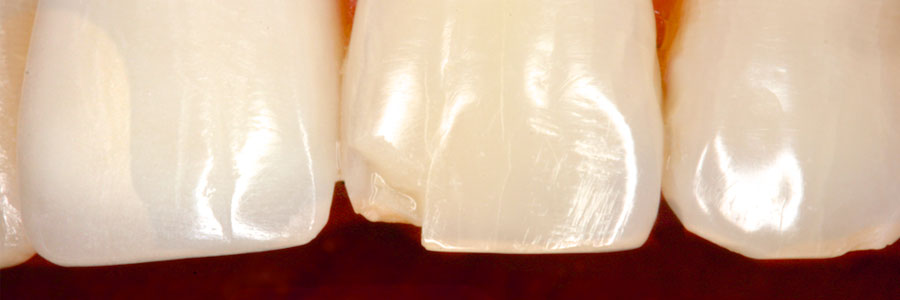
Both dental crowns and bridges will last a good long while, though how long depends on a few factors.
Good oral health requires you to brush and floss on a regular basis because oral hygiene should be your number one priority if you want the procedures to last and be effective in the long run.
You also need to avoid eating unhealthy foods that have a hard surface because it might damage the crown or bridge. Avoid sticky foods to prevent decay and your crown or bridge should last from five to fifteen years.
3. How are crowns placed on teeth?
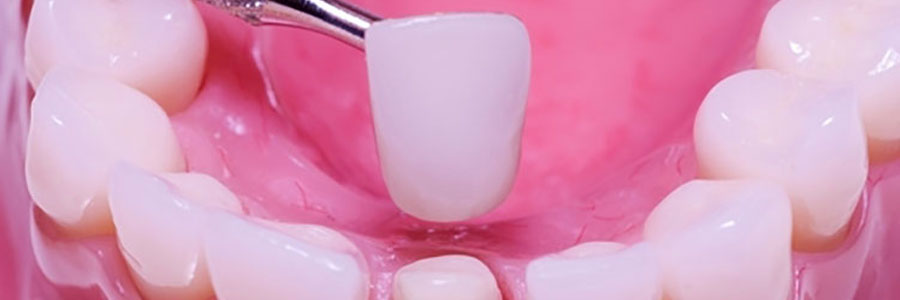
Crown placement is typically completed in two visits. First, we will remove a thin layer of enamel coating and shape the tooth to provide room for the crown. This process allows the crown to be placed without crowding neighboring teeth or creating an uneven bite. Then we make an impression of the teeth, which is sent to an on-site lab where the crowns will be made from the most advanced materials for long-lasting durability.
The dentist will fit a temporary crown, which is crafted from resin, to protect your tooth while the permanent crown is being made. At the second visit, the temporary crown will be removed and the tooth will be carefully cleaned before the permanent crown is applied using a strong adhesive.
4. Some people having Crowns with black, darkened lines in between their gums and teeth. Are they cause by Crown or Bridges?

The newer all porcelain crowns are an esthetic improvement over older, porcelain fused to metal crowns as if the gumline would recede, the older crowns often showed a metal edge to the crown that originally was hidden from view. Since all porcelain crowns have no metal, no markings are evident if the gum line recedes.
5. If having a root canal and it is quite discolored, can Porcelain Crown be the best approach?
If a tooth that requires root canal therapy discolors, it is an indication that the nerve inside the tooth had died and blood pigments have broken down and been absorbed into the calcified tooth structure. By placing an all ceramic porcelain crown on the tooth, it can restore the tooth to match its neighbors.
6. Should I replace my old crowns?
If your crowns are worn down or damaged, give us a call so that we can plan replacements. We may need to remove the crown and provide you with a new temporary crown until your new permanent crowns are complete.
If you’ve had your crowns for several years, you may be troubled by their aesthetics. Older materials used to create crowns were not as natural-looking and lifelike as today’s modern crowns. Metal crowns and porcelain-fused-to-metal may be a giveaway that you’ve had dental work done, and we completely understand that you want your smile to look its best.
We are happy to examine your teeth and provide a recommendation as to whether your crowns should be replaced. Give our Milburn Dental Office in Fresno, CA a call to schedule your evaluation.
7. Which foods should avoid for not damaging your Bridges?
Patients fitted with dental bridges are advised by dentists to avoid chewing extensively on foods such as raw vegetables, hard candies, and ice. These foods can cause damage to the bridge, which may require replacement if it cannot be repaired.
8. How many types of Dental Bridges?

There are three types of dental bridges:
- Traditional Fixed Bridge: A dental bridge is a false tooth, known as a pontic, which is fused between two porcelain crowns to fill in the area left by a missing tooth. This is known as a fixed bridge. This procedure is used to replace one or more missing teeth. Fixed bridges cannot be taken out of your mouth as you might do with removable partial dentures.
- Resin Bonded Bridges: The resin bonded bridge is primarily used for your front teeth. Less expensive, this bridge is best used when the abutment teeth are healthy and don’t have large fillings. The false tooth is fused to bands that are bonded to the abutment teeth with a resin which is hidden from view. This type of bridge reduces the amount of preparation on the adjacent teeth.
- Cantilever Bridges: In areas of your mouth that are under less stress, such as your front teeth, a cantilever bridge may be used. Cantilever bridges are used when there are teeth on only one side of the open space. This procedure involves anchoring the false tooth to one side over one or more natural and adjacent teeth.
9. Which foods should avoid with a temporary dental crown?
Because temporary crowns are made from acrylic, which is less strong than the metal, ceramic or porcelain material of a permanent crown, you must take extra precautions. Limit the amount of chewing you do on the side of your mouth where your temporary crown is located. Avoid chewing on hard candies, nuts and very crunchy fresh vegetables such as carrots on the same side of the mouth as your temporary crown. Until your permanent crown is in place, don’t eat sticky desserts or candy, including caramels, licorice, jelly beans, taffy, toffee and gummy bears, as they could pull the temporary crown off your tooth. Avoid chewing gum for the same reason.
10. Which foods should avoid for permanent dental crowns?
- Hot foods: Some individuals experience a mild-to-severe sensitivity in and around a crowned tooth when eating hot foods, particularly if they are affected by gum recession. If the problem persists, consult your dentist as the crown’s fit may require adjustment.
- Cold foods: Although they do not harm your crown, such foods can trigger sensitivity similar to that caused by hot foods if any part of your gum recedes enough to expose the root above a crowned tooth. Your dentist may suggest that you use a toothpaste made especially for sensitive teeth; such toothpaste work by blocking the sensation traveling from the tooth to the nerves.
Sugary foods: Avoid constant exposure to sugary drinks, candy or gum, keep snacking to a minimum, and brush or rinse your teeth after eating chewy or sticky foods such as dried fruit.
11. How do I care for my crowns and bridges?
It is important to maintain excellent oral hygiene, making sure to brush and floss twice a day. Avoid biting on hard foods like nuts and candy that can potentially fracture the restoration.
2 Comments
Leave a Reply
You must be logged in to post a comment.
I have a partial for my front teeth. I broke the tooth that it anchors on too. And I have some gum receding. I would like to know what my best option would be. Dental implants or a bridge. I have a bride on one side from a tooth I broke in hs that also has some receding. I haven’t taken much care of my teeth and it’s starting to show. I need help
Please schedule an appointment for us to take x-rays and do a thorough exam. There are multiple options available for a missing tooth. Best replacement for any missing tooth is dental implant but you have to have good bone and healthy tissue to support it. Other options are a fixed bridge and removable partial. It will be hard for us to answer your question without examining you.