

Root Canal Treatment in Fresno, CA
A root canal can help save a damaged or infected tooth and prevent the need for extraction. At Milburn Dental in Fresno, our dentists provide root canal treatment to remove infection, protect the natural tooth, and restore comfortable dental function.
If you have persistent tooth pain, sensitivity, swelling, or signs of infection, schedule an examination as soon as possible.
What Is a Root Canal?
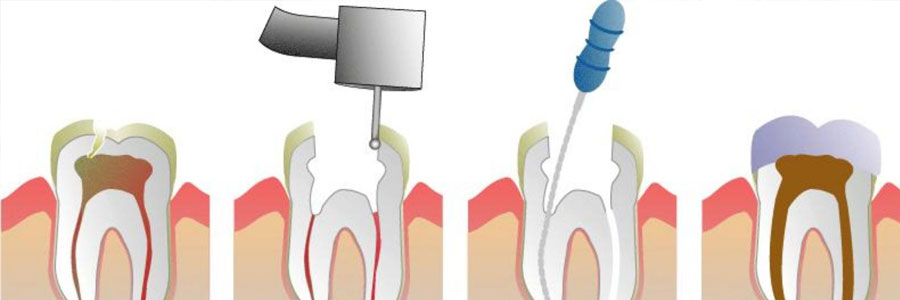
A root canal is a dental procedure used to treat a tooth when the pulp—the soft tissue inside the tooth—becomes infected or damaged.
During treatment, the dentist carefully removes the infected pulp and bacteria, cleans and disinfects the root canals, and seals the tooth with dental material. In many cases, a dental crown may then be recommended to protect and strengthen the treated tooth.
Learn more about our Crowns and Bridges treatment options.
When Do You Need Root Canal Treatment?
A root canal may be recommended when infection or significant damage has reached the inner part of a tooth.
Common signs include:
- Severe or persistent toothache
- Sensitivity to hot or cold
- Pain when biting or chewing
- Swollen or tender gums
- A dental abscess or pimple on the gums
- A cracked, damaged, or severely decayed tooth
Early treatment can help prevent the infection from spreading and may allow you to keep your natural tooth.
Root Canal Treatment in Fresno
At Milburn Dental, we focus on comfortable, effective dental care for patients throughout Fresno. Our dental team evaluates the condition of your tooth and recommends the most appropriate treatment based on your individual needs.
If you are experiencing severe tooth pain or symptoms of an infected tooth, you can also learn more about our Emergency Dental Services.
For patients who are experiencing dental anxiety, our office also provides Comfort Aid options to help make dental treatment more comfortable.
Why Save a Natural Tooth?
When possible, preserving your natural tooth can help maintain your normal bite and chewing function. Root canal treatment can remove infection while allowing the tooth to remain in place rather than requiring extraction.
If a tooth cannot be saved, our dentists can discuss other treatment options, including Oral Surgery.
Protect Your Tooth After a Root Canal
After root canal treatment, maintaining good oral hygiene and regular dental visits is important. Depending on the condition of the tooth, a crown may be recommended to provide additional protection.
You can also explore our Family Dentistry services for comprehensive dental care.
Schedule a Root Canal Consultation in Fresno
Don’t ignore persistent tooth pain or sensitivity. Early evaluation can help identify infection and determine whether root canal treatment is the right solution for your tooth.
Contact Milburn Dental today to schedule your consultation.
Milburn Dental Office
6721 N Milburn Ave Ste 101
Fresno, CA 93722
Phone: (559) 825-0990
Frequently Asked Questions About Root Canal
1. What is a Root Infection and How Do I Know If I Have One?
When the bottom section (below the gum) of a tooth develops a cavity, either through decay or a fracture, this gap quickly fills up with nasty bacteria. This is very bad for the health of teeth and gums and puts a great strain on surrounding tissues. If left untreated, it can cause tooth loss, bone degeneration, and gum disease.
The symptoms of a root infection can sometimes be very easy to spot and a little trickier at other times. In fact, you really do not want the symptoms to be too obvious because if they are, you likely have an abscess. This is a very painful condition and it only occurs if a dental problem has been allowed to deteriorate.
In some cases, root infections may present mild pain, but to make sure that they are spotted early, keep up with regular dentist appointments. That way, a root canal can be scheduled before any irreversible damage is done to the pulp inside the affected tooth. This will give you a very high chance of being able to keep it. On the other hand, if the infection has been allowed to fester for too long, the tooth may need to be extracted.
2. Is it expensive?
Saving your tooth through endodontic treatment is less expensive and less invasive than an extraction and replacement with a bridge or implant. The cost will depend on your dental insurance coverage. Our staff will help with getting your insurance information and let you know the cost of your root canal.
3. How long does the repaired tooth last?
Potentially, the repaired tooth lasts a lifetime! If the patient has a good oral care routine and visits the dentist twice a year for cleanings and exams, the restored tooth should have a long life.
4. What is a root canal procedure?
During root canal treatment, the tooth pulp and tooth roots are cleaned to remove microbes that cause infection, and a filling material is placed in the roots.
The procedure is performed when the tooth pulp has become infected (a condition is known as pulpitis) or when the infection has spread to the roots or jawbone.
Microbes and infected tissue are removed from the pulp and roots using special needles and chemical rinsing substances. After the tooth has been disinfected, a filling material is placed in the root canal.
5. What problems and pain can occur due to the root canal procedure?
Root canal treatment usually requires multiple relatively long visits (30-90 minutes per visit). The mouth has to be kept open during the treatment, and as a result, jaw joints and the muscles that keep the mouth open often get tired.
Local anesthesia used in dental procedures is effective in preventing root canal pain during the treatment. It may not work properly in rare cases, such as when the infection has spread widely and caused changes in the acidity of the surrounding tissue.
Sometimes, teeth become discolored and turn dark or grey following a root canal treatment. This discoloration is caused by bleeding inside the tooth or by the filling material used in the procedure. Discolored teeth can be whitened.
6. What can I do if root canal therapy doesn’t work?
At times, a root canal won’t be able to save your tooth. One of the best alternatives to root canal therapy is a tooth extraction. If our Dentist in Fresno, CA recommends this dental procedure, you will also need a tooth implant or dental bridge in order to restore full functionality of your mouth and smile.
7. Should I be worried about X-rays?
No. While x-rays will be necessary during your endodontic treatment, we use an advanced non-film computerized system called digital radiography that produces radiation levels up to 90 percent lower than those of already low dose conventional dental x-ray machinery.
8. Is there any other method to reduce my anxiety besides local anesthesia?
We are very sensitive to the fact that, no matter how well-informed you are about the procedure, you may still experience anxiety. Protecting your oral health is our top priority, and we don’t want you to forgo treatment because you’re fearful about the procedure. In that case we offer sedation options that will calm you so that you can get the treatment you need.
9. How will I feel after a root canal?
Your tooth may feel a little sensitive after the procedure, but you’ll finally be out of pain! If you’re experiencing soreness or sensitivity, you can take over-the-counter medications.
10. Will the tooth need any special care or additional treatment?
After your root canal procedure, you should be careful not to bite or chew on the treated tooth until it has recovered. We encourage all patients to practice good daily oral care that includes flossing and brushing.
2 Comments