

Dental Implants in Fresno, CA
Missing one or more teeth can affect the way you eat, speak, smile, and feel about your appearance. Dental implants in Fresno, CA are one option for replacing missing teeth with a stable, natural-looking dental restoration.
At Milburn Dental, we provide personalized dental implant consultations to evaluate your oral health, discuss your goals, and determine whether dental implants may be appropriate for you.
If you are looking for a dental implant dentist in Fresno, CA, contact Milburn Dental to schedule a consultation.
What Are Dental Implants?
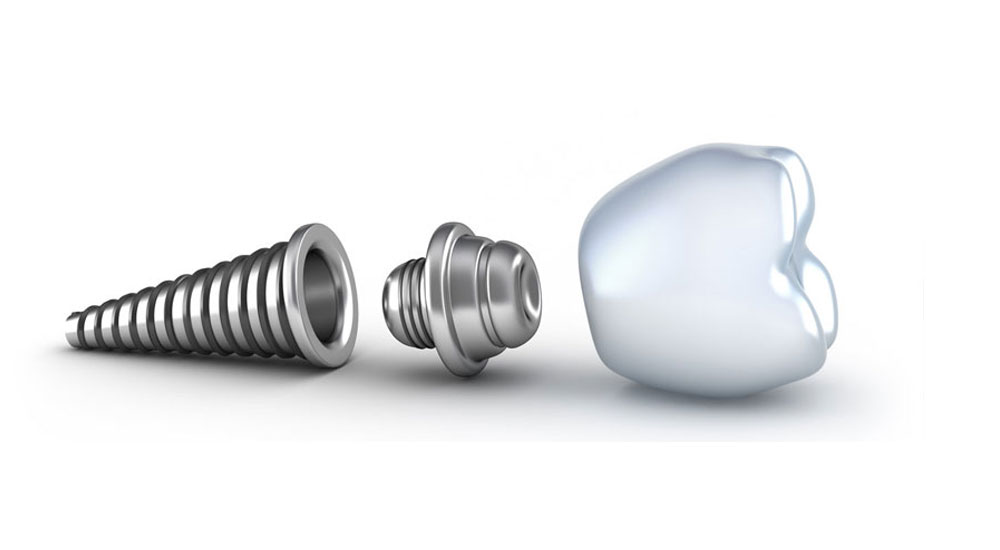
A dental implant is a small biocompatible post that is placed into the jawbone to replace the root portion of a missing tooth.
After the implant has had time to integrate with the surrounding bone, it can support a dental restoration such as a crown, bridge, or denture.
Depending on your individual needs, dental implants may be used to replace:
- One missing tooth
- Several missing teeth
- Multiple adjacent teeth
- Some or all missing teeth with an implant-supported restoration
Dental implants are different from removable dentures because the implant is designed to provide a stable foundation within the jaw.
How Do Dental Implants Work?
Dental implant treatment generally involves several stages.
1. Consultation and Evaluation
Your dentist first evaluates your teeth, gums, jawbone, and overall oral health.
Dental X-rays may be recommended to evaluate the area where an implant may be placed.
Learn more about:
https://milburndental.com/dental-services/general-dentistry/x-rays/
2. Treatment Planning
Your dentist discusses the condition of your oral health, the number of teeth being replaced, and your treatment goals.
If other dental problems need to be addressed first, those issues may need to be treated before implant placement.
3. Implant Placement
The implant post is placed into the jawbone according to the individual treatment plan.
The exact surgical approach depends on the location of the missing tooth and your oral health.
4. Healing and Integration
The implant requires a healing period during which it integrates with the surrounding bone.
The length of this period varies from patient to patient.
5. Final Dental Restoration
Once the implant and surrounding tissues are ready, a dental restoration can be attached to restore the missing tooth or teeth.
Depending on your treatment plan, this may involve a crown, bridge, or denture.
Who May Be a Candidate for Dental Implants?
Dental implants may be an option for adults who have lost one or more teeth because of:
- Tooth decay
- Dental infection
- Tooth fracture
- Dental trauma
- Advanced dental problems
- Other causes of tooth loss
However, not everyone is automatically a candidate for implants.
Your dentist may evaluate:
- Gum health
- Jawbone condition
- Remaining teeth
- Oral hygiene
- Overall dental health
- Your treatment goals
- Your ability to maintain the implant and surrounding tissues
A consultation is the best way to determine whether dental implants are appropriate for your situation.
Dental Implants for a Single Missing Tooth
When a single tooth is missing, a dental implant may be used to support an individual replacement tooth.
A typical single-tooth implant restoration may include:
Implant → Abutment → Dental Crown
This approach can replace the missing tooth without requiring a removable denture.
A dental crown is designed to restore the visible portion of the missing tooth.
Learn more about dental crowns and bridges:
https://milburndental.com/dental-services/family-dentistry/crowns-and-bridges/
Dental Implants for Multiple Missing Teeth
Patients missing several teeth may have multiple treatment options.
Depending on your oral health, your dentist may discuss:
- Multiple dental implants
- Implant-supported bridges
- Traditional dental bridges
- Partial dentures
- Other restorative options
The best solution depends on the number and location of missing teeth, the condition of your gums and jawbone, and your long-term goals.
Dental Implants vs. Dentures
Both dental implants and dentures can replace missing teeth, but they work differently.
Dental Implants
Dental implants are placed into the jawbone and can support a fixed or implant-supported restoration.
Dentures
Dentures are removable appliances used to replace multiple or all missing teeth.
Some patients may benefit from traditional dentures, while others may be candidates for implant-supported solutions.
Learn more about dentures and prosthesis:
https://milburndental.com/dental-services/family-dentistry/dentures-prosthesis/
Your dentist can explain the advantages and limitations of each option during a consultation.
Dental Implants vs. Dental Bridges
A dental bridge replaces a missing tooth or teeth by using supporting teeth or another foundation.
Dental implants provide a different approach by replacing the root portion of a missing tooth with an implant.
Neither option is automatically best for every patient.
Your dentist can compare:
- Dental implants
- Dental bridges
- Dentures
- Other restorative options
based on your individual dental condition.
Learn more about:
https://milburndental.com/dental-services/family-dentistry/crowns-and-bridges/
Can a Dental Implant Replace a Tooth After Extraction?
Yes, a dental implant may be considered after a tooth has been extracted, depending on your oral health and treatment plan.
Some patients may be able to begin the implant process after extraction, while others may need a healing period or additional treatment before implant placement.
If you need a tooth extraction, learn more about:
https://milburndental.com/dental-services/family-dentistry/oral-surgery/
The timing of implant placement depends on factors such as the condition of the extraction site, bone, gums, and surrounding teeth.
Dental Implants After Tooth Loss
Replacing a missing tooth is about more than appearance.
A missing tooth can affect:
- Chewing
- Speech
- Smile appearance
- Bite relationships
- The position of neighboring teeth
Your dentist can evaluate your specific situation and discuss whether replacing the missing tooth would be beneficial.
Dental Implants and Jawbone Health
The jawbone responds to the presence or absence of tooth roots.
When a tooth is lost, the bone in that area can change over time.
Because dental implants are placed into the jawbone, the condition and amount of available bone are important parts of implant treatment planning.
Your dentist may recommend dental imaging to evaluate the treatment area before making a recommendation.
What If I Do Not Have Enough Bone for an Implant?
Some patients may have insufficient bone volume or other anatomical considerations that affect implant treatment.
Depending on the individual case, additional treatment may be considered before implant placement.
This may include procedures designed to improve the condition of the treatment area.
Not every patient with reduced bone volume requires the same approach, so an individual evaluation is important.
Your dentist can explain your options after evaluating your jawbone and overall oral health.
Dental Implants and Gum Health
Healthy gums are an important part of maintaining a dental implant.
The tissues around an implant should be monitored during routine dental visits.
Signs such as persistent bleeding, swelling, discomfort, or looseness around an implant should be evaluated by a dental professional.
Maintaining good oral hygiene and attending recommended dental appointments can help your dental team monitor the health of your teeth, gums, and implants.
Learn more about preventive dental care:
https://milburndental.com/dental-services/general-dentistry/oral-hygiene-education/
How Do You Care for Dental Implants?
Dental implants require regular maintenance just like your natural teeth.
Good implant care may include:
- Brushing regularly
- Cleaning between teeth
- Following your dentist’s recommendations
- Maintaining regular professional dental cleanings
- Monitoring the gums around the implant
- Reporting unusual symptoms promptly
Professional cleanings can also give your dental team an opportunity to monitor your oral health and the tissues surrounding your implant.
Learn more about routine dental cleanings:
https://milburndental.com/dental-services/general-dentistry/routine-cleanings/
Can Dental Implants Get Cavities?
The implant itself is not a natural tooth, so it does not develop a conventional cavity.
However, the surrounding natural teeth and gum tissues still require proper care.
The restoration attached to an implant can also experience problems if it is damaged, loose, or not properly maintained.
That is why regular dental examinations and professional cleanings remain important after implant treatment.
What Happens If a Dental Implant Becomes Loose?
A dental implant or implant-supported restoration that feels loose should be evaluated by a dentist.
Do not attempt to adjust or repair it yourself.
Contact your dental office if you notice:
- Implant looseness
- A loose crown
- Persistent bleeding
- Swelling
- Pain
- Changes in your bite
- Discomfort around the implant
Early evaluation can help determine the cause of the problem and whether treatment is needed.
Are Dental Implants Painful?
Dental implant treatment involves dental surgery, so some temporary discomfort, swelling, or tenderness can occur during recovery.
Your dentist will provide instructions based on the procedure you receive.
The amount of discomfort and recovery time can vary depending on:
- The number of implants
- The location of treatment
- The complexity of the procedure
- Your individual healing response
- Whether additional procedures are necessary
If you have concerns about dental treatment or experience dental anxiety, tell your dental team before your procedure.
Milburn Dental provides comfort-focused dental care for patients who feel nervous about dental treatment.
Learn more:
https://milburndental.com/dental-services/general-dentistry/comfort-aid/
How Long Does Dental Implant Treatment Take?
There is no single timeline that applies to every patient.
Treatment may involve multiple appointments and a healing period before the final restoration is placed.
The timeline depends on:
- Your oral health
- The number of missing teeth
- The location of the implant
- Bone condition
- Gum health
- Whether additional procedures are required
- The type of final restoration
During your consultation, your dentist can explain the anticipated stages of your treatment.
Dental Implants and Oral Surgery
Dental implant treatment may involve surgical procedures as part of the overall treatment plan.
Some patients may require tooth extraction before an implant can be placed.
Others may need additional treatment to prepare the implant site.
Learn more about oral surgery and tooth extraction:
https://milburndental.com/dental-services/family-dentistry/oral-surgery/
Dental Implants After a Failed or Damaged Tooth
A severely damaged or non-restorable tooth may eventually need to be removed.
Before recommending extraction, your dentist can determine whether the natural tooth may be restored with treatment such as a filling, root canal, or crown.
If the tooth cannot be predictably restored, extraction and tooth replacement may be discussed.
Learn more about root canal treatment:
https://milburndental.com/dental-services/family-dentistry/root-canal/
And learn more about dental crowns:
https://milburndental.com/dental-services/family-dentistry/crowns-and-bridges/
Dental Implants for Patients With Dental Anxiety
If you are nervous about dental treatment, let your dental team know.
A consultation gives you an opportunity to ask questions, understand the treatment process, and discuss your concerns before treatment begins.
Milburn Dental provides comfort-focused care to help patients feel more comfortable during dental visits.
Learn more:
https://milburndental.com/dental-services/general-dentistry/comfort-aid/
Dental Implants in Fresno, CA
If you are missing one or more teeth and considering your tooth replacement options, Milburn Dental can evaluate your oral health and discuss whether dental implants may be right for you.
Our Fresno dental team can discuss implant treatment alongside other options, including:
- Dental crowns
- Dental bridges
- Dentures
- Implant-supported restorations
- Other restorative dental treatments
The goal is to find an option that fits your oral health, functional needs, and treatment goals.
Why Choose Milburn Dental for Dental Implants?
At Milburn Dental, we believe implant treatment should begin with a thorough evaluation and clear communication.
Our dental team focuses on:
- Personalized implant consultations
- Evaluation of your teeth and gums
- Dental X-rays when clinically appropriate
- Individualized treatment planning
- Tooth replacement options
- Patient comfort
- Comprehensive restorative and family dental care
Our office is located at:
6721 N Milburn Ave Ste 101
Fresno, CA 93722
Phone: (559) 825-0990
Milburn Dental currently offers a complimentary implant consultation, allowing patients to discuss their missing teeth and treatment options with the dental team.
Schedule a Dental Implant Consultation in Fresno
If you are missing one or more teeth and want to learn whether dental implants are right for you, schedule a consultation with Milburn Dental.
We can evaluate your oral health, discuss your options, and explain the next steps based on your individual needs.
If you are searching for dental implants in Fresno, CA, dental implants near me, or a dental implant dentist in Fresno, contact Milburn Dental today.
https://milburndental.com/contact/
What can happen if I don’t take care of my Dental Implants?
 Dental Implants can develop problems without consistent daily care. The earliest sign of a problem begins with the observation of bleeding. This is known as mucositis. The current scientific evidence suggests that this may be successfully treated and is reversible if caught early. Unfortunately, if it progresses to bone loss, also known as peri-implantitis, the bone loss is not reversible. If peri-implantitis is not treated it can lead to advanced bone loss and the removal of the implant.
What should my Dentist check for at every cleaning visit?
For an accurate assessment of implant health, dentists and hygienists need to probe and measure the gums around the implant the same was as around teeth, check and compare x-rays annually, look for looseness, check the bite and check all of the components that are attached to the implants to make sure that they are functioning properly.
Dental Implants: What They Are & What You Need to Know
According to a 2010 ADA survey, close to a million Americans have dental implants installed in their mouths (American Dental Association. “Dental Health Services in America – University of California.” Faculty of Medicine – UCAL. N.p., June 2010. Web. 6 June 2017.). Composed of titanium or another alloy, these small but strong metal posts are inserted into the socket left by a missing tooth and act as an anchor for a replacement tooth. The main concerns with individuals suffering from missing teeth include bone loss in the jawbone and the possibility that other teeth can shift in order to fill the empty space, causing aesthetic abnormalities. An implant will stabilize the jawbone by preventing bone loss and stimulating bone growth. Your missing teeth will no longer impact how you look or feel!
How Do I Know It’s Necessary?
You may be in need of dental implants if you are currently missing one or more of your teeth due to injury, decay, or disease. Depending on how strong your jawbone is and how healthy your gums are, you may or may not be an optimal candidate for implants. Our Fresno Dentist will discuss the pros and cons of all your options and examine your teeth and gums. Other options include dental bridges or dentures, which can also be effective depending on your situation. If you do not have enough bone at all for an implant or if it is too weak, our Dentist in Fresno might also discuss the option of building more bone through a bone graft.
How Do I Prepare?
Our dentist will consult with you to determine the best approach for your treatment. This will typically include a thorough oral exam, X-rays, and a few questions about your family medical history. You will then be given instructions not to take certain medications or eat certain foods before the procedure. Make sure to follow these instructions and contact your dental office if you have any questions.
What Is The Procedure Like?
To allow gum tissue to heal properly, it is possible that a dental implant process might take more than one procedure to complete. Depending on the medical history and other factors, our dentist will discuss which anesthetic is best for you. Typically, a local anesthetic is used which only numbs the parts of the mouth being worked on at that time.
In stage one, our dentist places the metal implant into your jawbone under the gum tissue. It needs to be inserted deep into the jawbone, as this will serve as the best anchor for your new tooth. The gums are then stitched back into place. As gum tissue heals, the implant begins to bond with the bone and attach to the gum. The entire healing process may take several months. Contact our Fresno Dentist at Milburn Dental if you are feeling anything unusual during the healing process.
The placing of an abutment is also part of the procedure, but it is possible this part of the procedure might need to be done at a later time. The abutment is the piece where the replacement tooth will attach to the implant.
The final stage is placing your replacement tooth or teeth. Getting to this step might require a bit more healing time because your jawbone needs to be strong enough before the new tooth is placed. Our dentist will take impressions to ensure your replacement teeth are an appropriate fit and then insert them following the exact specifications of your case.
What Is Recovery Like?
Following your successful procedure, it is normal to experience some pain, swelling, and minor bleeding and you may be prescribed pain medication and/or antibiotics to control possible infection. Our dentist will sit with you to show you proper cleaning techniques for your new teeth and give you advice on what to eat and drink in the weeks following your procedure. Initially, you might need to stick to soft foods while the implant heals.
Concerned about your missing or damaged teeth and need advice? Do you want a pernament tooth replacement solution? Contact Milburn Dental today at (559) 825-0990 to schedule a consultlation with our friendly dentists!
6 Comments
Leave a Reply
You must be logged in to post a comment.
is it possible to have all your upper teeth replaced by implants?
Yes it’s possible with a few different options! The treatment varies from replacing teeth with a fixed implant bridges, all on 4 or implant overdenture. Implant treatment depends on your bone quality, quantity and the relation to vital structures. It’s best for you to schedule a consultation with our office so we can advise all your options. Give us a ring any time: (559) 825-0990
Just got my dental implants done by Dr. Bhatia and her team of dental professional in Fresno, CA. I highly recommend her if you are thinking about getting dental implants. It seriously has changed my life!
Yes, Dr. Bhatia is an exceptional Dentist! I’ll be sure to pass along your message to her and her team. They will be thrilled!